
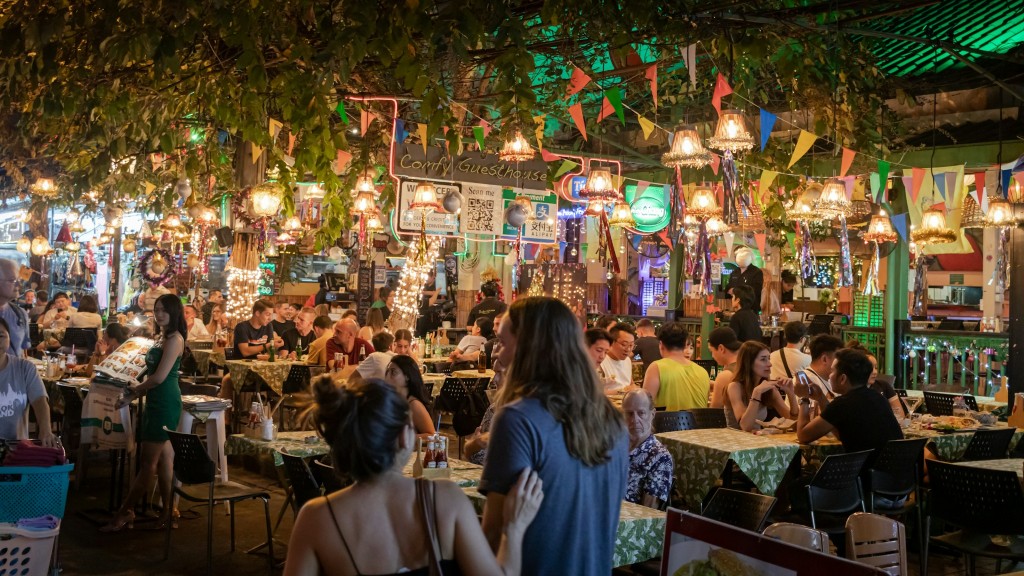
In a crowded food court or a fast-moving restaurant, the smallest delay can change the entire customer experience. When guests are left hovering near counters, straining to hear order numbers, or repeatedly asking staff whether their meal is ready, service starts to feel chaotic. A settings solves a very practical problem: it gives customers the freedom to wait comfortably while helping staff manage orders in a cleaner, calmer, and more efficient way.
Why a coaster buzzers pager system for food court and restaurant service matters
The appeal of a paging system is not just convenience. It is operational discipline. Instead of forming a crowd near the pickup area, guests can sit down, find family members, or wait without blocking movement around the counter. This improves flow for both customers and staff, especially during peak lunch and evening hours when congestion quickly affects speed, communication, and perceived service quality.
For food courts, the value is even clearer. Shared seating means people often move away from the counter after placing an order. Calling out names or numbers in a noisy environment is unreliable and tiring for staff. A pager removes that friction. In restaurants with self-ordering or semi-quick-service formats, it also reduces the need for customers to keep checking back, which lowers interruptions and keeps counters focused on production and handover.
- Less crowding at the pickup counter: guests wait where they are comfortable instead of clustering near staff.
- Clearer order communication: a vibration, beep, or flashing alert is easier to notice than a shouted number.
- Better guest perception: the service feels organized rather than rushed or noisy.
- More efficient staff movement: team members spend less time repeating calls and more time completing orders accurately.
- Useful for mixed audiences: families, elderly customers, and groups appreciate a simple, visible alert system.
These are not luxury benefits. In many high-volume environments, they are the difference between a counter that feels under control and one that feels constantly pressured.
How the system works in day-to-day operation
A coaster pager setup is designed to be straightforward. After placing an order, the customer receives a small pager unit. The pager is linked to a transmitter or control base used by the cashier or service counter. Once the order is ready, staff activate the assigned pager, which then vibrates, flashes, beeps, or uses a combination of signals to notify the guest to return for collection.
Operators exploring a coaster buzzers pager system for food court and restaurant usually care most about simplicity: quick assignment, reliable alerts, easy charging, and minimal training time for staff. The strongest systems are the ones that fit naturally into service rather than forcing the team to change everything around them.
Typical service flow
- The guest places an order and receives a pager.
- The order is prepared while the guest waits elsewhere.
- When the meal is ready, staff trigger the pager from the base unit.
- The guest returns to the designated collection point.
- The pager is collected, returned to the charging rack, and made ready for the next order.
That simplicity is what makes the system effective. It does not require a complicated customer explanation, and it is easy for new staff to understand within a short time. In busy outlets, that matters more than extra features that look impressive but slow down real service.
Where it delivers the most value
Not every restaurant needs the same operating model, but pager systems are particularly useful where there is a gap between order placement and order collection. Food courts are the obvious example, yet they are far from the only one.
- Quick-service restaurants: ideal where guests order at the counter but do not want to remain standing nearby.
- Cafes with made-to-order items: helpful when drinks, snacks, and specialty items are finished in stages.
- Family restaurants with takeaway counters: useful for separating dine-in waiting from takeaway pickup.
- Dessert kiosks and snack outlets: practical in high-footfall malls where ambient noise makes verbal calling ineffective.
- Multi-brand food court counters: especially valuable where neighboring counters create overlapping noise and confusion.
The system can also improve the atmosphere of the space itself. A cleaner queue area looks more professional. Customers who are not packed into a pickup zone tend to feel less impatient, and staff are able to communicate more clearly with the people they are actually serving in front of them.
There is also a subtle service advantage: a pager creates a defined handoff moment. Instead of customers second-guessing whether their meal is ready, the outlet controls when the return happens. That makes the collection process smoother and helps prevent mistaken pickups.
What to look for before buying in India
Buying the right unit is not simply about choosing the lowest price. A paging system is part of daily operations, so reliability, battery life, and after-sales support matter as much as the initial purchase. For businesses in India comparing options, it is worth assessing both product quality and the supplier’s understanding of restaurant service realities. DineBellSolution, through its Waiter Calling And Guest Paging System Buy In India offering, fits naturally into that conversation because buyers often need a vendor that can support practical deployment rather than just make a sale.
Before you buy, review the system against the environment in which it will be used. A mall food court, a standalone quick-service outlet, and a compact cafe may all need different pager counts, signal ranges, and durability standards.
| Buying factor | Why it matters | What to check |
|---|---|---|
| Signal range | The alert must work across the real waiting area, not just near the counter. | Test performance through seating zones, corners, and crowded conditions. |
| Battery and charging | Frequent charging gaps can interrupt service during rush periods. | Look at charging rack design, runtime, and ease of returning pagers to charge. |
| Build quality | Pagers are handled by many customers every day and need to withstand drops and wear. | Check casing strength, button quality, and resistance to heavy daily use. |
| Alert modes | Different environments require different levels of visibility and noticeability. | Choose vibration, flashing, and beep combinations suited to your audience. |
| Service support | Fast troubleshooting matters if the system is used every day. | Ask about warranty, replacement process, and local support responsiveness. |
A few practical questions can save trouble later:
- How many pagers do you actually need during your busiest hour?
- Will customers wait across one room, across a shared seating hall, or across multiple zones?
- Do your staff need a system that can be learned in minutes?
- How quickly can damaged or weak units be serviced or replaced?
- Will the charging setup fit neatly into your counter workflow?
These details sound basic, but they determine whether the system becomes a helpful part of service or an annoyance that staff avoid using.
Making the system work well after installation
Even a good device needs a clear routine around it. The most successful outlets keep the process disciplined: the pager is handed over at billing, the collection point is clearly identified, the alert is triggered only when the full order is ready, and the returned pager goes directly back to its charging position. Consistency keeps the handoff smooth and avoids confusion during peak periods.
Simple guest communication helps too. A brief instruction such as, Please keep this with you; it will buzz when your order is ready, is usually enough. Signage near the counter can support that message without turning the process into a formal explanation. Staff should also know how to respond if a pager is not returned promptly or if a guest misses the alert.
Regular checks are worth building into opening and closing routines. Confirm that units are charging, numbers are visible, and alert functions are working before service starts. Clean, well-maintained pagers signal professionalism, while neglected hardware quickly undermines the very experience the system is supposed to improve.
Conclusion
A coaster buzzers pager system for food court and restaurant operations is one of those rare tools that improves service for both sides of the counter. Guests gain comfort and clarity. Staff gain control, quieter communication, and a more orderly pickup process. In environments where speed, space, and customer flow matter every hour of the day, that is a meaningful upgrade. Chosen carefully and used consistently, the right system turns waiting from a point of friction into a smoother, more professional part of the dining experience.
************
Want to get more details?
Waiter Calling System For Restaurant & Cafe | Dinebellsolution
+919725658642
Revolutionize your restaurant with our advanced wireless waiter calling system & pager system. Enhance service efficiency and streamline operations in India By Dine Bell Solution


