

Chronic pain has a way of shrinking everyday life. It can turn work into a strain, rest into frustration, and simple movement into something people second-guess. What makes it especially difficult is that long-standing pain rarely responds to quick fixes alone. Real chronic pain relief usually comes from a more thoughtful process: understanding why pain persists, identifying what keeps it active, and rebuilding strength, mobility, and trust in the body step by step.
Why Chronic Pain Relief Requires More Than Symptom Control
Pain that lasts for weeks or months is often more complex than a single tight muscle or irritated joint. Over time, the body can adapt in unhelpful ways. People move less, compensate without realizing it, tense protective muscles, and become cautious with normal activities. That pattern can create stiffness, weakness, fatigue, and sensitivity that reinforce the pain cycle.
This is why lasting improvement usually depends on more than temporary relief. A supportive plan should look at how pain behaves during the day, what movements provoke it, how sleep and stress affect it, and whether old injuries, desk posture, training habits, or reduced physical capacity are contributing. In practice, effective physiotherapy is not just about chasing pain from one area to another. It is about restoring function while reducing the body’s tendency to stay in a guarded state.
| Common chronic pain pattern | What it may reflect | Useful physiotherapy focus |
|---|---|---|
| Pain that eases briefly, then returns | Symptoms treated without addressing cause | Full assessment, movement correction, progressive loading |
| Stiffness after sitting or waking | Reduced mobility and tissue tolerance | Mobility work, circulation, joint and soft tissue care |
| Pain during normal daily tasks | Loss of strength, control, or confidence | Functional strengthening and movement retraining |
| Repeated flare-ups | Poor pacing or incomplete recovery strategy | Education, activity planning, prevention work |
How Co Recare Physio Looks Beyond the Pain Site
One of the clearest differences between routine treatment and meaningful recovery is the quality of the assessment. At Co Recare Physio: Expert Physiotherapy Care Dubai – Umm Hurair 2, DHCC, the starting point is not simply where it hurts. The more important question is why the pain keeps returning, spreading, or limiting movement.
That means looking at posture, joint mobility, muscular balance, walking pattern, work demands, previous injuries, exercise history, and daily habits that may be overloading the body. For patients seeking structured chronic pain relief, that broader view often makes the difference between short-lived easing and treatment that truly changes how the body functions.
This whole-picture approach is especially valuable for back pain, neck pain, shoulder restriction, knee pain, sports-related overload, and persistent muscular tension. In many of these cases, the area that feels painful is only part of the story. A stiff thoracic spine may contribute to neck strain. Weak hip control may feed into knee discomfort. Restricted breathing and upper-body tension may worsen headaches and shoulder pain. When these relationships are identified early, care becomes far more precise.
The Treatment Model That Turns Relief Into Progress
Good physiotherapy for persistent pain should help patients feel better, but it should also help them move better. That distinction matters. Relief without recovery often fades. Recovery without symptom management can feel discouraging. The strongest treatment plans combine both.
1. Hands-on treatment with a clear purpose
Manual therapy can help reduce pain, improve mobility, and calm irritated tissues, particularly in the early stages of care. Joint mobilization, soft tissue work, and guided stretching may create enough comfort for movement to become possible again. The key is using these techniques as part of a broader strategy, not as the entire solution.
2. Targeted exercise that matches the person
Exercise therapy is where many long-term improvements are built. But it has to be tailored. A person with desk-related neck pain needs something different from someone managing recurring lower back flare-ups or post-injury stiffness. The best plans are progressive rather than aggressive. They restore range of motion, improve muscular support, and rebuild tolerance for daily activities without provoking unnecessary setbacks.
3. Education that reduces fear and confusion
People living with chronic pain are often caught between doing too little and doing too much. Clear education helps break that cycle. Understanding which movements are safe, when soreness is normal, how to pace activity, and how to respond to flare-ups can be as important as the treatment itself. When patients understand what their body is doing, they tend to move with more confidence and consistency.
- Movement retraining to correct inefficient patterns that place repeated stress on joints and muscles
- Strength and stability work to support vulnerable areas and improve control
- Mobility restoration where stiffness is limiting normal mechanics
- Load management so exercise, work, and daily life become sustainable again
- Prevention planning to reduce the chance of the same problem returning
What Lasting Relief Usually Looks Like in Practice
Many people expect recovery to be linear, but chronic pain rarely behaves that neatly. Lasting progress is usually built in stages. The body settles, then adapts, then becomes stronger and more capable. Understanding that progression helps people stay committed to treatment instead of judging recovery too early.
- Settle the irritation. Early treatment focuses on reducing pain intensity, calming muscle guarding, and improving comfort in daily activities. This is often where hands-on care and simple movement strategies are most useful.
- Restore movement quality. Once symptoms are less reactive, attention shifts to mobility, coordination, and movement patterns. The goal is to make ordinary actions feel natural again rather than cautious or forced.
- Rebuild strength and tolerance. This stage matters for people who want more than temporary relief. Muscles, joints, and connective tissues need graded challenge to handle work, exercise, family life, and long hours on the move.
- Create a maintenance strategy. Lasting results are more likely when patients leave treatment with a practical plan: what exercises to keep, what warning signs to watch, and how to prevent small symptoms from becoming a major flare-up.
This measured approach is one reason skilled physiotherapy can be so effective for persistent conditions. It respects both the physical and behavioral sides of pain. Instead of pushing through symptoms blindly or avoiding movement altogether, patients learn how to work with their body more intelligently.
A Smarter Path to Chronic Pain Relief
If pain has become part of your routine rather than a short-term problem, it is worth seeking care that goes deeper than symptom masking. Ongoing back pain, recurring neck tension, shoulder limitation, joint stiffness, and movement-related discomfort all deserve proper assessment, especially when they are affecting sleep, concentration, work performance, or confidence in exercise.
The team at Co Recare Physio stands out by treating chronic pain as a functional problem to be understood, not just endured. That means combining careful diagnosis, practical therapy, and gradual physical rebuilding in a way that supports real life. In a city where many people balance sedentary work, high stress, long commutes, and demanding schedules, that kind of clear, individualized care matters.
Ultimately, lasting chronic pain relief is not about finding one perfect technique. It is about creating the right sequence of treatment, movement, education, and follow-through. When that process is handled well, pain no longer defines the day. Movement becomes easier, confidence returns, and relief has a far better chance of lasting.
——————-
Discover more on chronic pain relief contact us anytime: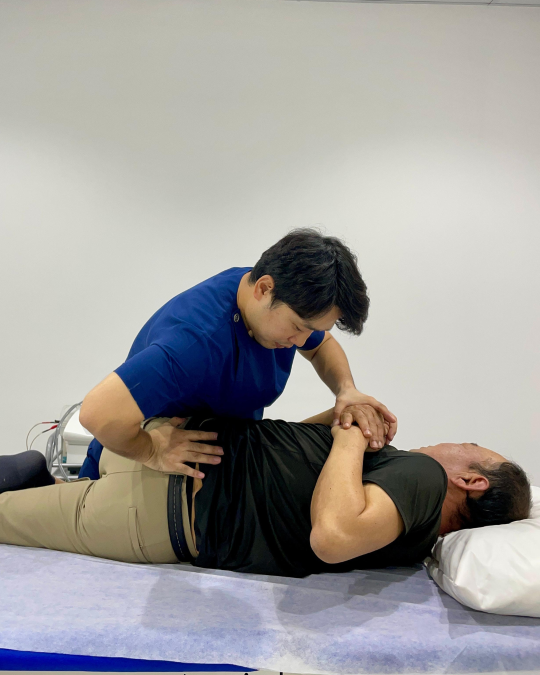
Co Recare Physio: Expert Physiotherapy Care Dubai – Umm Hurair 2, DHCC
https://www.co-recarephysio.com/
0586718321
Dubai healthcare city – Dubai, United Arab Emirates
Experience specialized physiotherapy care at Co Recare Physio in Dubai Healthcare City. Book today for tailored treatments.

