
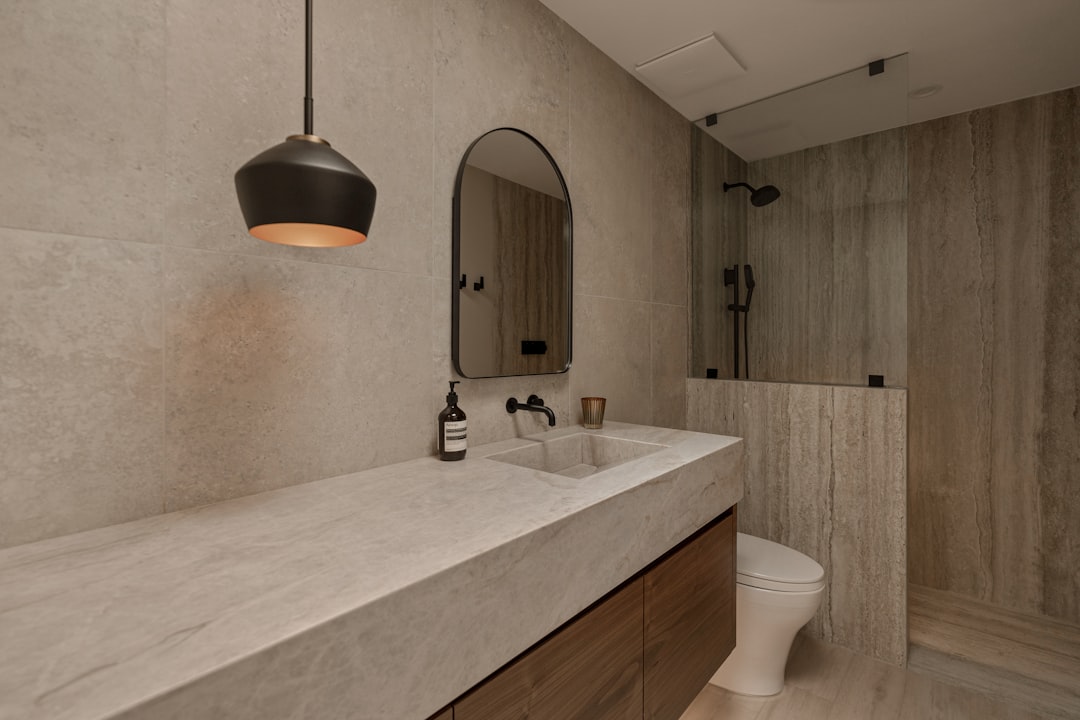
Luxury projects rarely fail because of a lack of ambition. More often, they go off course because the early decisions were rushed, the scope was not clearly defined, or the team was chosen for the wrong reasons. In high-end homes, even small missteps can become expensive once custom materials, specialist trades, and complex building requirements are involved. That is why luxury home renovations demand a level of discipline that goes well beyond choosing beautiful finishes.
Whether you are updating a townhouse, reworking a condo, or transforming a single room into something exceptional, the smartest approach is not simply to spend more. It is to plan better, sequence more carefully, and protect the integrity of the entire project from the first conversation to the final walkthrough. Avoiding a few common mistakes can make the difference between a renovation that feels elevated and one that becomes stressful, delayed, and compromised.
1. Starting Before the Plan Is Truly Ready
One of the most common mistakes in luxury home renovations is beginning demolition or ordering materials before the project has been fully resolved on paper. Homeowners are often eager to get moving, especially after months of gathering ideas, but a premature start usually creates more disruption than progress. Without a developed plan, decisions get made in the field, where they are slower, more expensive, and more likely to affect quality.
A complete renovation plan should do more than show what a space will look like. It should define how the space will function, what materials are approved, what structural or mechanical work is required, and how one trade hands off to the next. If cabinetry dimensions are not finalized, lighting locations are not coordinated, or plumbing details are still shifting, the schedule will eventually absorb those uncertainties.
What should be settled before work begins
- Scope: A clear list of what is changing and what is staying in place.
- Drawings: Architectural, electrical, plumbing, and millwork details that align with one another.
- Selections: Fixtures, appliances, tile, stone, hardware, and finish materials chosen early enough to avoid substitutions.
- Approvals: Building management, permit requirements, and any review board sign-off accounted for in advance.
When these elements are settled up front, the project gains clarity. When they are not, homeowners often pay twice: once for the initial decision and again to correct it later.
2. Misjudging Budget, Timeline, and Building Constraints
Another frequent problem is confusing a target budget with a realistic project budget. In luxury work, the visible finishes are only part of the investment. Hidden conditions behind walls, electrical upgrades, waterproofing, soundproofing, structural modifications, delivery logistics, and labor coordination all have real costs. A beautiful design can still underperform financially if the planning does not reflect how high-end work actually gets built.
Timelines are often treated the same way. Homeowners may count only the construction weeks and forget the lead time for custom windows, imported stone, fabricated metalwork, specialty wallpaper, or bespoke cabinetry. In New York City, there are additional realities: co-op and condo rules, restricted work hours, elevator reservations, insurance requirements, and permit sequencing can all shape the pace of the project.
| Common Assumption | What It Often Misses | Better Approach |
|---|---|---|
| The quoted number covers everything | Design revisions, hidden conditions, upgrades, and owner changes | Review allowances, exclusions, and contingency needs before signing |
| The schedule starts at demolition | Approvals, procurement, shop drawings, and fabrication time | Build a timeline that starts with planning and ends with punch-list completion |
| Premium materials guarantee a premium result | Poor installation, rushed sequencing, and incompatible systems | Match material choices to qualified trades and realistic lead times |
A disciplined budget should include room for the unknown, and a disciplined timeline should reflect the true workflow of the project. That does not make the renovation less ambitious. It makes it more achievable.
3. Choosing the Wrong Team for Luxury Home Renovations
Not every contractor is equipped for high-end residential work. Technical skill matters, but so do communication, documentation, scheduling, finish protection, and the ability to manage exacting standards without losing momentum. Homeowners sometimes choose based on the lowest number or a good impression from a single meeting, only to discover later that the team is not structured for the level of detail the project requires.
In a city like New York, a contractor such as PrimeBuild Group can add real value when the job requires close coordination across permits, building rules, custom fabrication, and refined finish work. That level of management is especially important in luxury home renovations, where quality depends as much on execution and sequencing as on design intent.
Before hiring, look for evidence of the right fit
- Relevant project experience: Ask whether the firm regularly handles homes with similar complexity, finish level, and building conditions.
- Clear process: A strong contractor should explain how budgeting, scheduling, approvals, procurement, and change orders are managed.
- Trade coordination: High-end work requires crews that can collaborate, not just complete isolated tasks.
- Attention to detail: Review past work for alignment, transitions, trim quality, stone layout, hardware consistency, and overall finish discipline.
The right team does not simply build what is drawn. It protects the result at every stage and helps prevent avoidable problems before they appear on site.
4. Letting Finishes Drive the Project Instead of Function
Luxury should feel effortless in daily life, not just impressive in photographs. Yet many renovations become overly focused on statement materials and dramatic visual choices while neglecting how the home will actually be used. A kitchen may look exceptional but lack storage where it is needed. A bathroom may feel spa-like but have poor lighting at the vanity. A living space may feel elegant but fail acoustically or function awkwardly for entertaining.
The strongest renovations balance beauty with logic. Circulation, storage, lighting, scale, maintenance, and comfort should all shape the design from the beginning. This is particularly important in homes where multiple systems must work together discreetly. Heating vents, appliance clearances, smart controls, drapery pockets, millwork reveals, and stone seams are the kinds of details that separate a refined home from one that merely looks expensive.
- Choose timeless over trendy when a finish is difficult or costly to replace.
- Consider maintenance before selecting delicate surfaces for heavily used spaces.
- Think in layers so architecture, lighting, furnishings, and materials support one another.
- Protect resale flexibility by avoiding highly specific design moves with limited long-term appeal.
A successful renovation feels coherent because every decision serves both the aesthetic vision and the way the household lives.
A Better Way to Approach Luxury Home Renovations
The most successful projects are not the ones with the biggest budgets or the boldest ideas. They are the ones shaped by clear planning, realistic expectations, experienced oversight, and decisions that hold together from concept to completion. If you want luxury home renovations to feel genuinely elevated, avoid the temptation to rush, improvise, or choose based only on surface appeal.
Instead, take the time to define the scope, test the budget, understand the building constraints, and assemble a team that knows how to deliver high-level work with consistency. When those fundamentals are in place, the visible beauty of the project has something solid behind it. That is what turns a renovation into a lasting improvement, not just a costly disruption.
——————-
Article posted by:
PrimeBuild Group
https://www.primebuildgroupnyc.com/
New York, United States
PrimeBuild Group is a professional construction and property development company specializing in residential and commercial building projects, renovations, project management, and high-quality turnkey solutions. We focus on reliable delivery, craftsmanship, and customer satisfaction.
home improvement contractor
